Kids Cruiser Bike With Training Wheels: Easy Starts
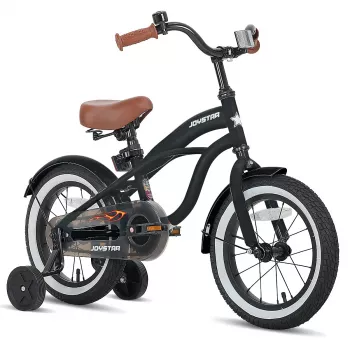
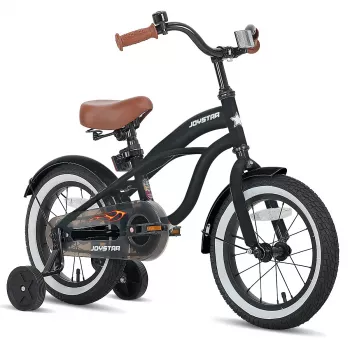
Kids Cruiser Bike with Training Wheels: A Comfortable First Ride for Neighborhood Adventures
A first “big kid” bike should feel stable, comfortable, and confidence-building from day one. Our team built our Kids Cruiser Bike with Training Wheels around relaxed neighborhood riding, so you can help a new rider practice pedaling, steering, and braking with a supportive setup that keeps early outings fun and predictable. When the bike feels manageable, kids are more willing to try again tomorrow—and that’s where real progress happens.
What Makes a Cruiser-Style Kids Bike a Smart Starter
Cruiser-style geometry is a natural match for learning because it encourages an upright riding position. With the rider sitting comfortably instead of pitched forward, the bike tends to feel steadier at slower speeds—exactly where most first rides happen.
That comfort-first feel matters more than it sounds. New riders are juggling a lot at once: pushing off, finding the pedals, keeping the bars straight, and learning how brakes change momentum. A relaxed posture helps reduce tension in the shoulders and hands, which can make steering smoother and less “twitchy.”
And there’s a simple bonus: cruisers feel easygoing. That “let’s take a lap around the block” vibe pairs well with short practice sessions, family strolls, and quick rides to the park—so the bike doesn’t feel like it’s only for drills.
Why Training Wheels Help (and When They Can Get in the Way)
Training wheels add side-to-side support so your child can focus on pedaling rhythm and handlebar control first. Those early wins are powerful—when the first few sessions feel stable and predictable, kids are more likely to ask to ride again.
As skills improve, training wheels can become the limiting factor. Balance and turning require leaning, and training wheels reduce that natural lean by “catching” the bike. If you notice your rider taking turns wide or struggling to steer smoothly, it may be time to start planning the transition.
Training wheels at a glance
| Stage | Goal | What to watch for | Next step |
|---|---|---|---|
| Brand-new rider | Comfort with pedaling and steering | Wobbling starts, sudden stops, looking down too often | Short sessions on flat pavement |
| Getting confident | Smoother starts and controlled stops | Less reliance on the wheels, fewer tip-overs | Slightly raise training wheels (if adjustable) |
| Almost ready to graduate | Begin balancing through turns | Wheels rarely touch, rider leans naturally | Remove training wheels and practice coasting |
Choosing the Right Fit Before Checkout
Fit beats “growing room.” A bike that’s slightly too big can turn every start and stop into a struggle, which slows learning and chips away at confidence. The right size is the one your rider can control today—starting smoothly, stopping safely, and steering without wrestling the handlebars.
When you’re checking fit, focus on a few practical checkpoints: your child should have a comfortable reach to the bars, be able to use the brakes without straining, and feel stable during the start/stop routine. If you’re between sizes, choosing the option that feels easier to handle now usually leads to faster skill-building and more enjoyable rides.
A Simple Setup and Safety Routine for the First Ride
Make “helmet first” non-negotiable from the very first roll down the driveway. Consistency is what turns safety into a habit, and reputable guidance continues to point to helmet use as a key injury-prevention step. For additional safety basics, you can review resources from the CDC and NHTSA.
Before each session, take 30 seconds for a quick pre-ride check: brakes engage as expected, tires feel firm, and fasteners are snug. Then choose a smooth, flat practice spot away from traffic—driveways, quiet paths, or empty parking lots work well. Keep early rides short and end on a win, even if that win is “two good starts and one nice stop.”
Closed-toe shoes help with pedal control, and avoiding loose clothing reduces the chance of fabric catching near moving parts.
How to Help Kids Transition Off Training Wheels
The simplest way to build balance is to build coasting time. Gentle slopes or a push-and-glide routine lets your child feel the bike stabilize under them without the distraction of pedaling right away. Keep it light: a few seconds of balance, reset, repeat.
Care Tips That Keep Rides Smooth
The Bike to Start With—and Grow Skills On
Our Kids Cruiser Bike with Training Wheels supports the early learning phase without making every ride feel like “practice only.” Once the basics click, it’s ready for neighborhood cruising, park paths, and family outings.
Product details
| Item | Price | Availability |
|---|---|---|
| Kids Cruiser Bike with Training Wheels | $182.97 | In stock |
More In-Stock Picks You Can Add to Your Cart
- Infant Bamboo Wooden Dinnerware Set
- Chic Split Leather Bucket Bag
- Professional Studio XLR Condenser Microphone with Large Diaphragm & Mute Button
FAQ
What age is a kids cruiser bike with training wheels best for?
Fit and skill level matter more than age. Look for a size that lets your child start and stop confidently, reach the handlebars comfortably, and use the brakes without straining. If you’re between sizes, choose the option that feels more stable and controllable right now.
How do training wheels get adjusted for a smoother learning curve?
Start with training wheels providing steady support, then gradually reduce reliance as confidence grows. If the wheels are adjustable, increase the clearance slightly so your child begins balancing more while still having a safety net. Make adjustments in a controlled area and keep sessions short and supervised.
What’s the safest place to teach a child to ride?
Pick a smooth, flat, low-traffic area such as a driveway, empty parking lot, or quiet paved path. Use a properly fitted helmet every time and stay close enough to assist with starts and stops. Short sessions with breaks help keep focus and frustration low.



Leave a comment