Vibration Plate Fat-Loss Support: Massage + 99 Speeds
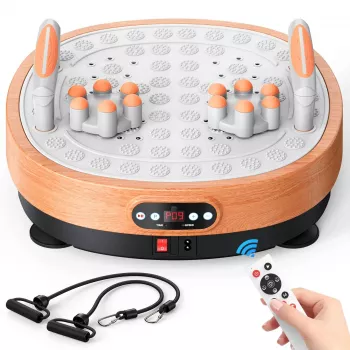
Whole-body vibration, made practical for real schedules
When your workouts have to fit into real life—tight schedules, limited space, and unpredictable energy—short, consistent sessions can add up. Our team recommends a whole body vibration plate with massage-style settings as a simple daily tool: you step on, choose an intensity, and let vibration-based training support circulation, muscle activation, and that “I did something today” feeling in just a few minutes.
If you’re building momentum toward fat loss, vibration training works best as a support system. It can help you show up more often, warm up faster, and add low-effort movement on days when you’d otherwise skip it.
What a vibration plate adds to a fat-burning routine
Fat loss still comes down to overall consistency—movement, nutrition, and recovery. A vibration plate can make the movement side easier to repeat.
- More muscle activation than standing still: vibration encourages repeated micro-contractions as your body stabilizes.
- Easy pairing with the basics: use it before walks, strength training, or stretching to “wake up” hips, legs, and core.
- Consistency-friendly sessions: 5–15 minutes is simpler to fit into a day than a full workout block.
- Supports your bigger plan: daily steps and calorie balance do the heavy lifting; the plate helps you keep moving even when motivation is low.
For evidence-based guidance on building a well-rounded activity routine, you can also reference the CDC’s physical activity basics and the NIH guidance on exercise and physical activity.
Why 99 speed levels matters (and how to use them)
More speed levels don’t just mean “more intense.” They give you finer control so you can find the sweet spot where you feel challenged while staying stable and comfortable.
- Small increases are easier to tolerate: you can progress gradually without jumping too quickly.
- Low speeds for warmups and recovery: gentler vibration is often more comfortable for tight calves, ankles, and lower back.
- Mid speeds for most training: a steady moderate level is usually where you can hold positions with good form.
- High speeds in short bursts: brief intervals can add challenge, but your posture should stay controlled—no bouncing, no locked knees.
- Progress time before intensity: add a few minutes first, then climb speed levels gradually.
Simple progression plan (adjust to comfort and stability)
| Week | Session length | Speed approach | Frequency |
|---|---|---|---|
| 1 | 5–8 min | Low to low-mid, steady | 3–5x/week |
| 2 | 8–12 min | Low-mid with 2–3 short higher bursts | 4–6x/week |
| 3–4 | 12–15 min | Mid steady + brief intervals | 5–6x/week |
| 5+ | 15 min | Mid-high intervals if stable | 5–7x/week |
Massage-style vibration: where it fits in your day
Think of “massage-style” vibration as a flexible setting you can plug into the day—not only during workouts.
- Post-workout cooldown: a few minutes after walking or strength training can feel good on tired legs.
- Desk-day reset: short standing sessions help break up long sitting stretches; keep intensity moderate.
- Mobility support: combine gentle vibration with calves, hamstrings, and hip stretches to encourage a more relaxed range of motion.
- Light recovery days: low settings plus easy stretching can help you keep the habit without overdoing it.
If you’re also doing resistance training, following structured basics helps. The American Council on Exercise (ACE) resources can be a helpful reference point for general strength-training guidelines.
Quick routines to try (no gym setup required)
You don’t need a complicated plan to get value from vibration training. You need repeatable sessions you’ll actually do.
- Beginner standing routine (6–10 min): soft knees, tall posture, hands lightly on hips; steady breathing.
- Lower-body focus (8–12 min): shallow squat holds in short sets, alternating with upright standing.
- Core and posture (8–12 min): slight knee bend + braced core; add slow arm raises if balance is solid.
- Stretch routine (5–10 min): calves (one foot slightly back), hamstring hinge (flat back), gentle hip flexor stretch—stay on lower speeds.
- Band add-on (optional): light bands can raise muscle demand, but only if your form stays controlled.
Comfort and safety basics (get results without overdoing it)
Who this vibration plate is best for
In-stock picks from our store
- Whole Body Vibration Plate with Massage & 99 Speed Levels for Fat Burning — a simple at-home tool for short daily sessions and gradual progression.
- Kids Cruiser Bike with Training Wheels — a fun way to build more everyday movement for the family.
- Chic Split Leather Bucket Bag — an easy grab-and-go option for carrying daily essentials.
At-a-glance
| Item | Details |
|---|---|
| Product | Whole Body Vibration Plate with Massage & 99 Speed Levels for Fat Burning |
| Price | 129.01 USD |
| Availability | In stock |
FAQ
How long should a vibration plate session be for fat loss support?
Aim for about 5–15 minutes per session, focusing on consistency across the week. Start with 5–8 minutes for the first week, then build time gradually while keeping your daily steps and nutrition habits as the foundation.
Should speed levels be set as high as possible to burn more fat?
No—higher isn’t automatically better, because form and stability matter most. Most people get the best day-to-day use from low-to-mid levels, adding brief higher-speed intervals only when they can stay controlled with soft knees and steady posture.
Can a vibration plate replace cardio or strength training?
It’s best used as an add-on, not a replacement. Walking and strength training remain the core tools for fitness and body composition, and vibration sessions can support warmups, muscle activation, and adherence on busy or low-energy days.



Leave a comment